
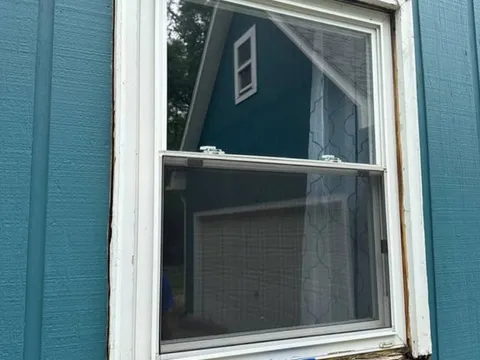
Rotted Sill, Caught in Time
Decay cut out completely and rebuilt in real wood — no filler, no new window.

In the Livable Forest, window wood gets attacked twice — pine damp from above, flood legacy from below. We cut every soft inch out to sound fiber, fabricate an exact copy of the piece in real lumber, and splice it in — from $375. Filler over decay is concealment, and we won't do it.
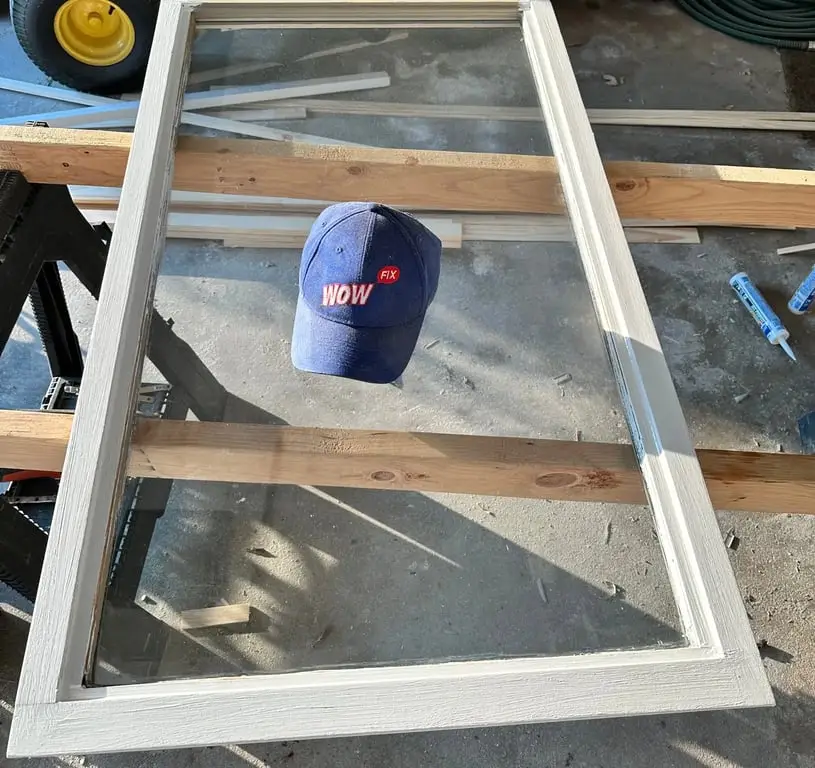 Rebuilt
 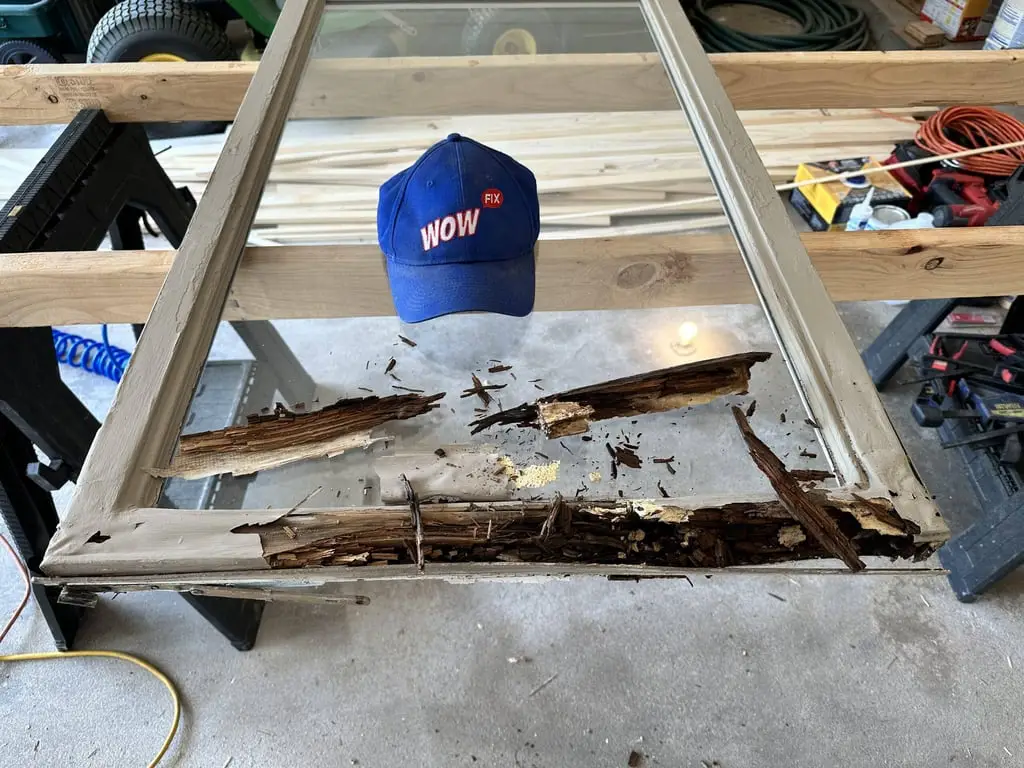 Rotted
 Real WowFix job — drag to see the difference.
Rebuilt Rotted Real WowFix job — drag to see the difference.
The same price we quote on the phone. Tell us what's going on — or just snap a photo — and see your estimate instantly.
Estimated price
$0
Preliminary estimate — your final price is confirmed on-site at booking. No surprises.
Not sure what it is?
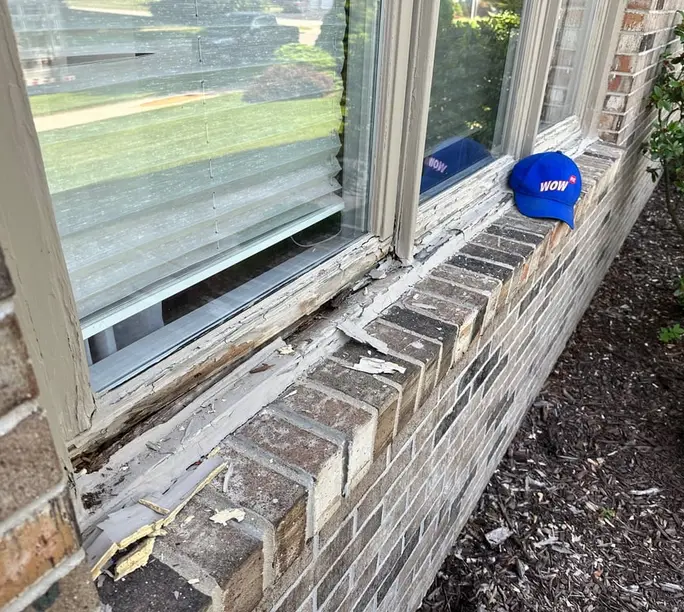
Kingwood was laid out in 1971 on King Ranch timberland with one governing idea: keep the forest. Fifty years later the Livable Forest delivers on the promise — and collects on it. From above, the pines never stop: needles mat into gutters and pack against sill horns, canopy shade holds a wetted casing damp long after the yard has dried, and greenbelt-side walls can go a whole week between real dryings. From below, 2017 left its mark. When the West Fork of the San Jacinto backed into the southern villages during Harvey, frames on streets like Elm Grove and Kings Forest stood in river water for days — and too many of the rushed rebuilds and investor flips that followed sanded and repainted that saturated lumber instead of removing it. Here's the part nobody tells those buyers: wood that soaked in a flood keeps releasing moisture for years, and a coat of paint seals the dampness in with the fungus. Two attacks, one result — window wood failing on schedule, top corner and bottom rail at once.
Kingwood has already seen what the shortcut looks like — it's the same move the worst flood flips made, sold by the tube instead of the gallon: pack the soft spot with filler, sand it smooth, paint it, leave. Underneath, the decay keeps working. Our rule is absolute and has survived every test a wet forest town can throw at it: probe until the tool meets genuinely sound fiber, saw out everything questionable with clean straight cuts, then build the missing piece new — laminated lumber milled to the original profile, slope, nose and drip kerf — and splice it in so tightly that primer and paint erase the evidence. A 1974 Trailwood original keeps its face; a flood-remodeled house finally gets the honest bones its listing claimed. And because a repair that ignores the water is a repair on a timer, the assessment names what kept the wood wet — needle-choked gutter, drip line, sprinkler head, flood-soaked framing — so the fix holds.
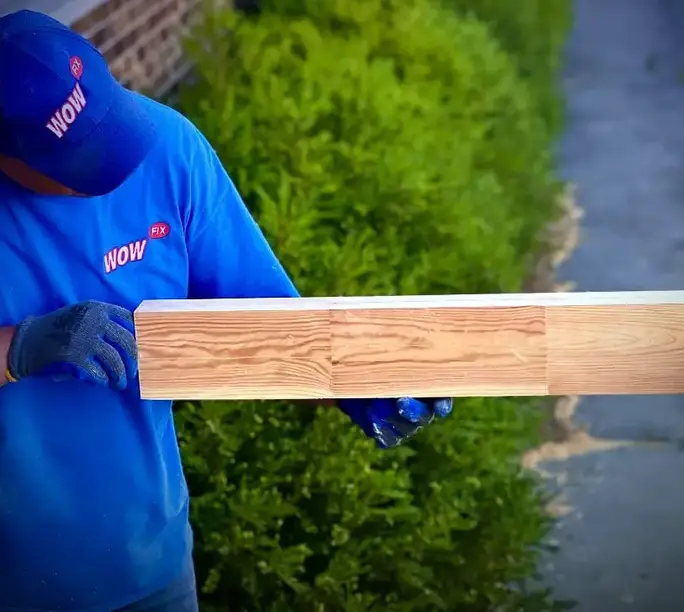
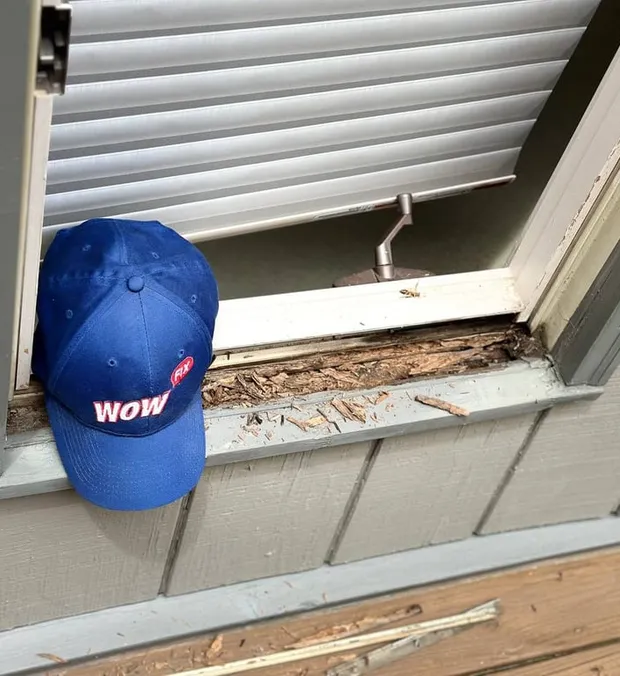
Find the honest boundary, put the number on paper, build the twin, splice it clean — how good houses stay good.
Decay in Kingwood hides well — under repaints, behind caulk, low on frames that saw floodwater. We map its true extent before quoting, so the price covers the real repair.
Window wood from $375, door frames from $475, door sashes from $575 — itemized on one written sheet before any cutting begins.
The replacement is milled from laminated lumber to the exact profile of the piece coming out — not shaped from a generic off-the-shelf board.
Tight joints faired invisible, primed, painted and sealed against forest damp — with a 5-year written workmanship warranty behind the work.
Rot repair in Kingwood is priced per piece from a printed catalog — the number lands on paper before the saw comes out:
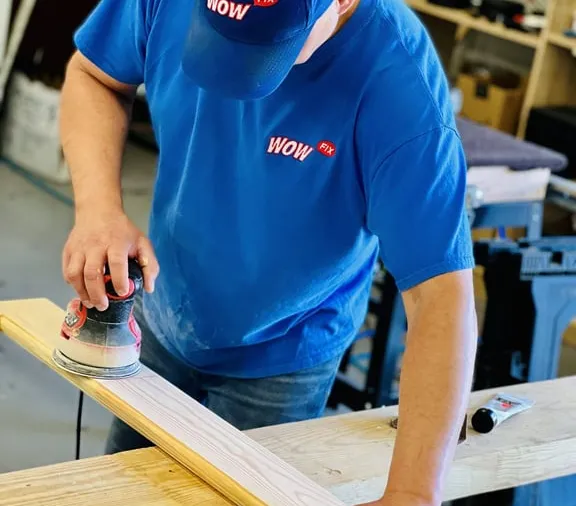
Every repair comes with a written workmanship warranty. If it's not right, we come back and make it right.
We fix the part that failed — glass, seal, sash or hardware — so you keep your windows and skip full-replacement cost.
Your repair is done by our own technicians, never subcontracted — visits run on scheduled routes with a firm appointment date.
A clear quote before any work starts. No hidden fees, no upsells, no pressure to replace what we can repair.
 Clear
Clear 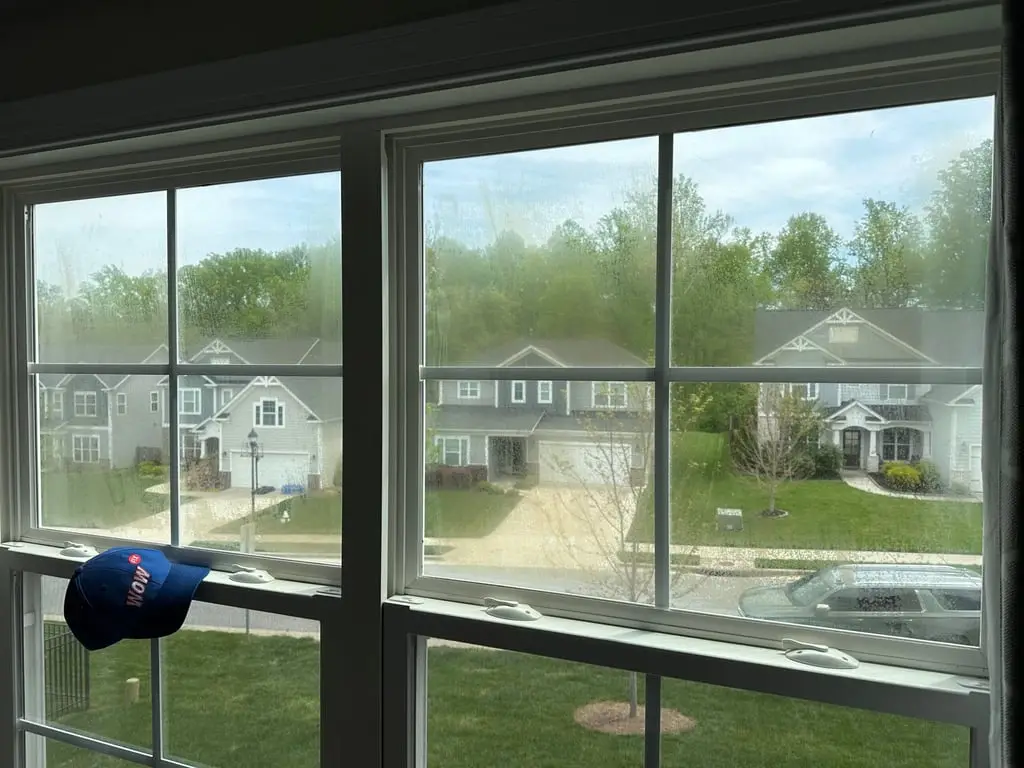 Foggy
Foggy 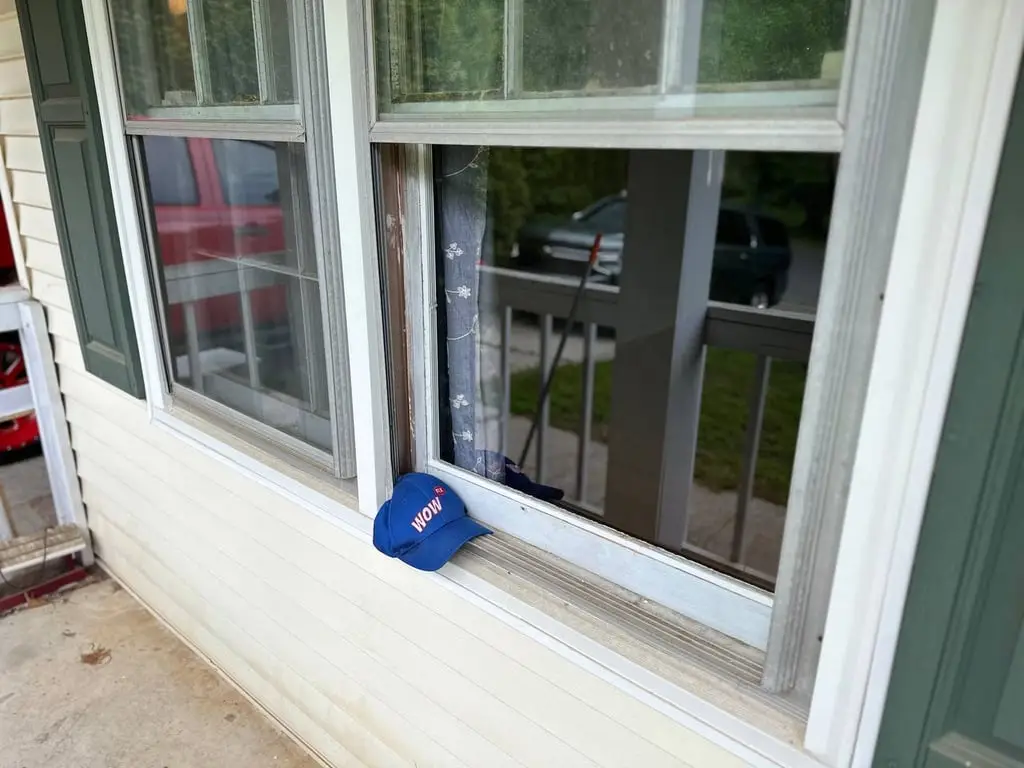 New Glass
 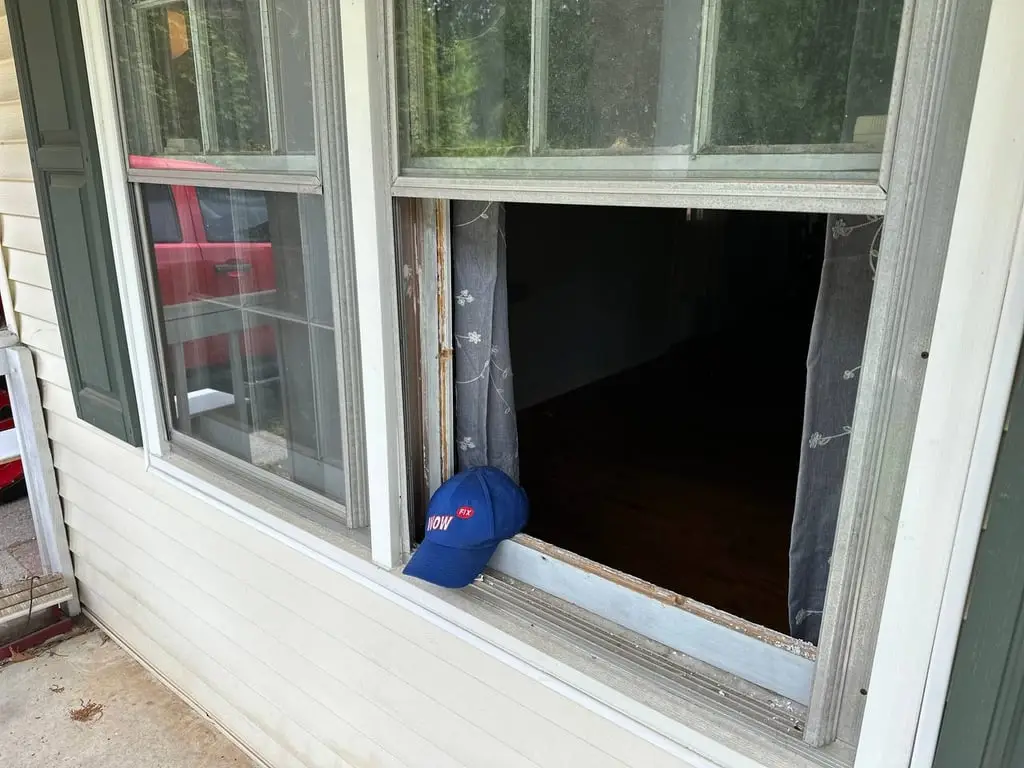 Broken Pane
 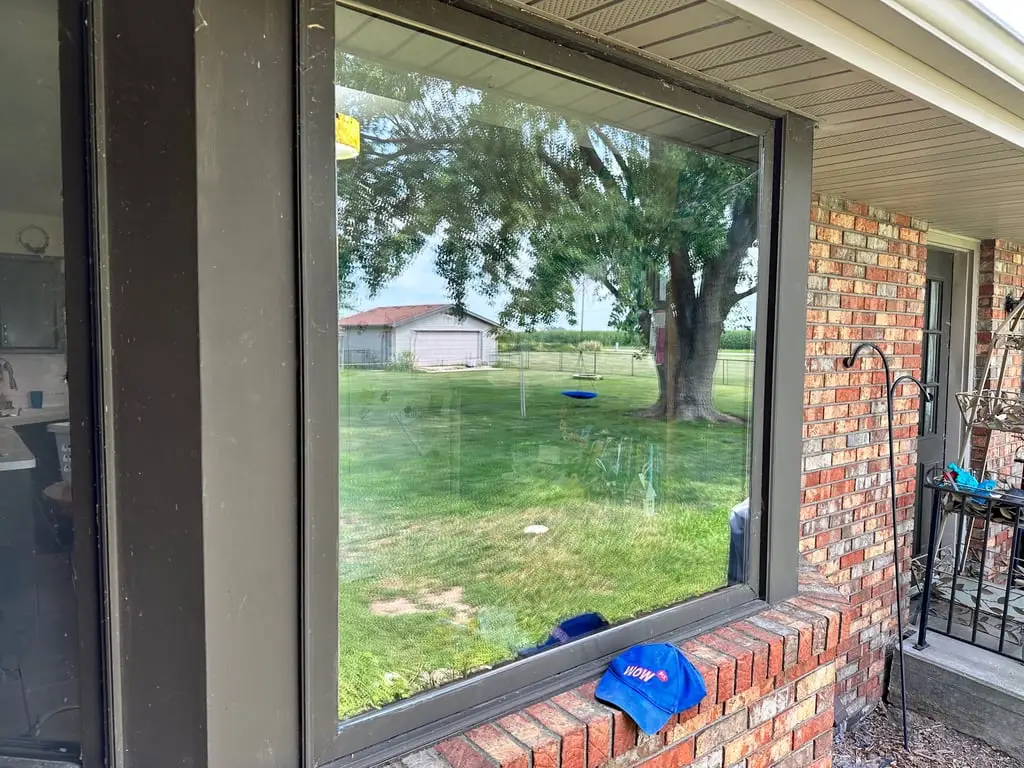 Clear View
 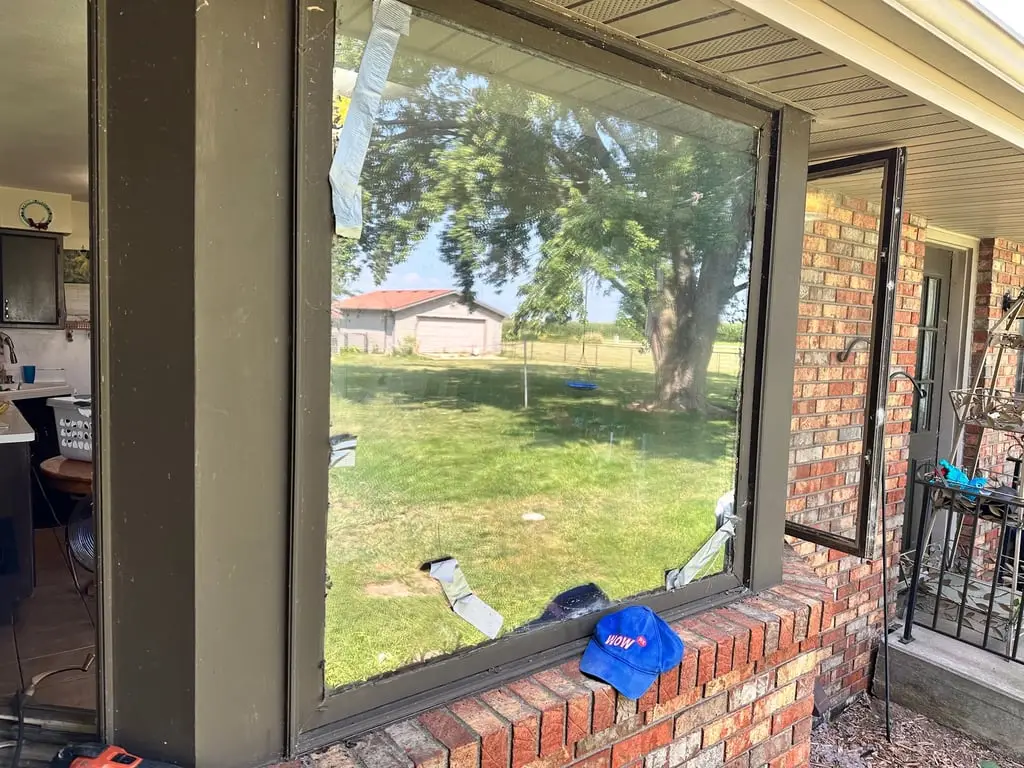 Glass Out
 Drag the handle to compare — swipe or tap a dot for more jobs.
We rebuild rotted window and door wood across the Livable Forest — the seventies originals of Trailwood and Kings Forest, the eighties streets of Greentree, Sand Creek and Fosters Mill, the flood-marked blocks of Elm Grove, out to Mills Branch and Kings Point — on scheduled routes with a firm appointment date.
In Kingwood
Also in Kingwood
Book your service today


Verified Google Review
Eugene fabricated both screens and new half double-pane windows for my home. He was professional, dedicated, and experienced. He went above and beyond to ensure the job was done right and in a timely manner. I would highly recommend WowFix for work that meets all expectations!

Verified Google Review
This is a great company. We appreciate the hard work and honesty of Eugene, who made sure our windows were fixed to our satisfaction. He completed the work on time as promised.

Verified Google Review
I had a fantastic experience with WowFix. They repaired my existing windows by cutting out rotted sashes, fashioning new ones on-site, and splicing them in. They look and work absolutely good as new!

Verified Google Review
WowFix is a great company for repairs on doors and windows. I had two rotten double-door frames that they rebuilt. They communicate well and the pricing was fair.
No stock footage, no actors — this is one of our actual jobs. Watch a rotted, fogged-out window brought back to flawless, like-new condition.
Snap a clear photo of every foggy, cracked or stuck window in natural light. Morning light shows fog between the panes best and lets us quote faster — often before we arrive.
Jot down the symptom per window — fog between the glass, won't open or stay up, draft, cracked pane, or rotted frame. It tells us whether it's a glass-only swap (from $198) or hardware/wood work.
Move furniture, blinds and décor back roughly three feet so our crew can measure and work safely. It keeps the visit quick and your things out of the way.
If you have the original window brand, a sticker in the frame, or install paperwork, set it aside. It's not required, but it helps us match glass and parts on the first trip.
Unlock gates, secure pets, and clear the exterior path to the windows. Most glass-unit work is done from both sides, so outside access keeps everything one visit.
Decay cut out completely and rebuilt in real wood — no filler, no new window.
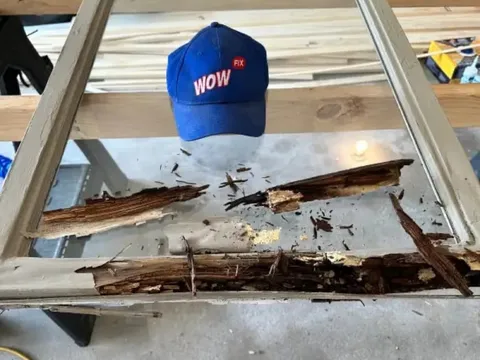
We fabricate an exact-profile piece from laminated lumber and splice it in.
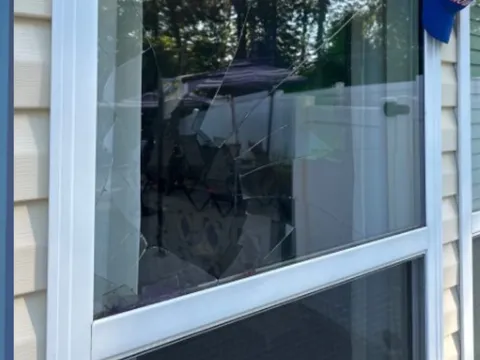
New glass built to the window's exact size — frame and trim untouched.
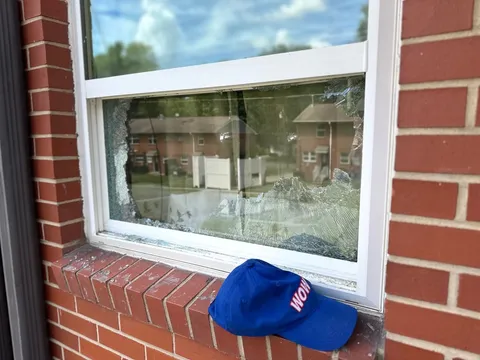
The pane is the part that failed — so the pane is the part we replace.
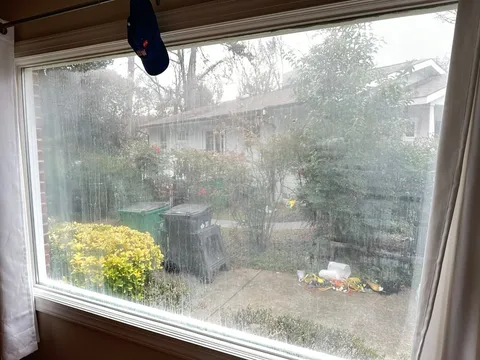
A failed seal, not a failed window: the sealed unit is swapped, the frame stays.
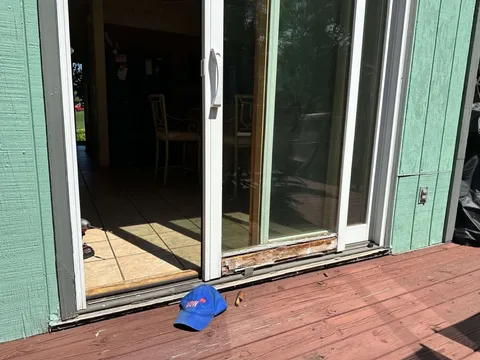
Rotted bottom rebuilt on-site — a fraction of the ~$10,000 a new door runs.
Real jobs, real photos — swipe for more.
Lead Window & Door Repair Specialist
This content is written by Eugene Ko, a master craftsman with 17+ years of hands-on experience in residential and commercial window repair. Eugene has personally completed over 15,000 window and door repairs across North Carolina, so every answer here is grounded in real field experience — not guesswork.
Last updated: July 19, 2026