
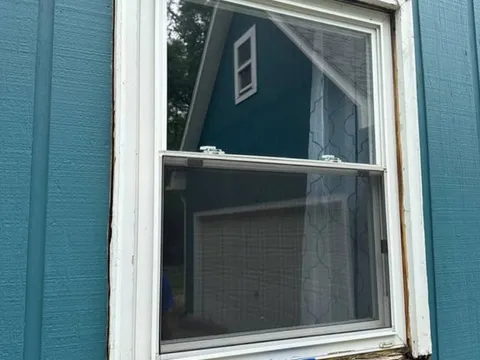
Rotted Sill, Caught in Time
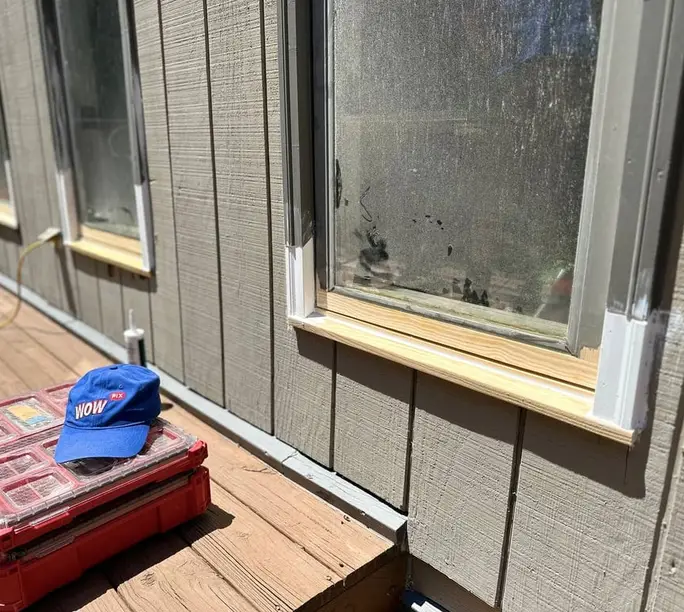
Decay cut out completely and rebuilt in real wood — no filler, no new window.

A 1935 double-hung with serviced cords and brass hardware glides better than a 1995 builder window ever did. Every failure in between — snapped sash cords, spent balances, spinning latches, seized cranks — is a part with a catalog price, from $115. One scheduled visit works the whole house.
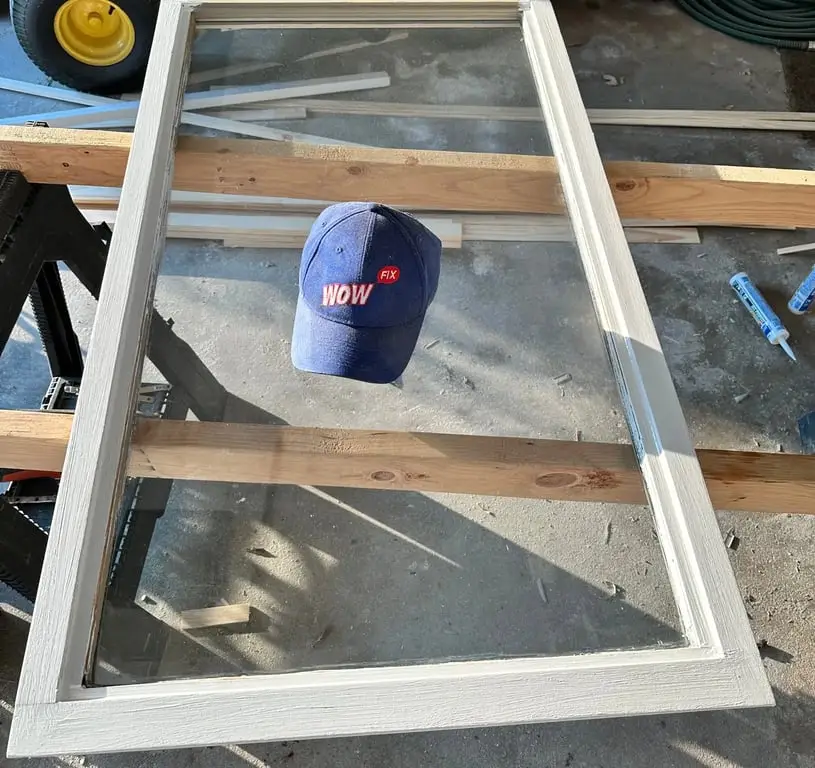 Restored
 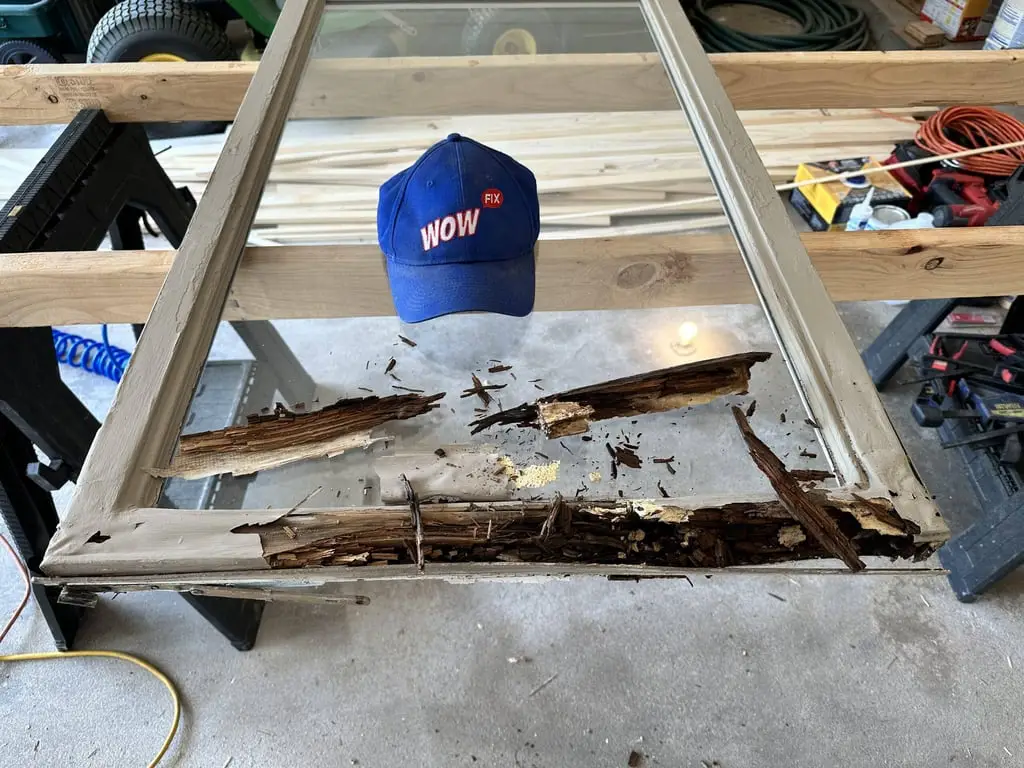 Failing
 Real WowFix job — drag to see the difference.
Restored Failing Real WowFix job — drag to see the difference.
The same price we quote on the phone. Tell us what's going on — or just snap a photo — and see your estimate instantly.
Estimated price
$0
Preliminary estimate — your final price is confirmed on-site at booking. No surprises.
Not sure what it is?
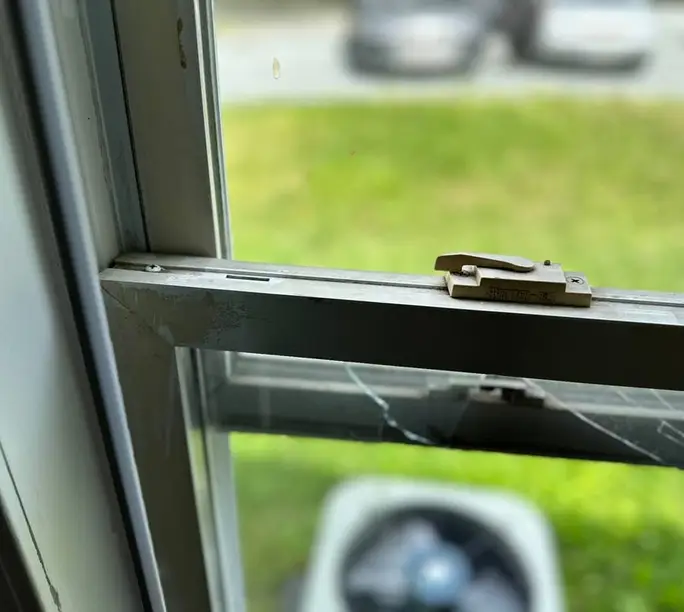
Walk any block in West U and you pass two entirely different machines wearing the same name. The prewar cottages and Tudors that survived the teardown era run on counterweight engineering: sashes balanced by iron weights on cotton cords over pulleys, locked with cast brass — a system designed to be serviced forever, not discarded. Its failures are honest ones: cords fray and snap, weights come to rest at the bottom of their pockets, pulleys gum up, and decades of repainting glue sashes shut. Two doors down, a custom built in 1998 fails in the modern way: spiral balances whose springs fatigue fast in attic-side heat, vinyl latches gone brittle in the sun, weatherstrip crushed flat by a quarter-century of cooling seasons. Different anatomy, identical misery — windows that won't stay open, won't pull tight, and bleed conditioned air into a Texas afternoon you're paying to fight.
The replacement pitch leans hardest on old houses: 'they don't make parts for these anymore.' True — and irrelevant, because counterweight windows were never parts-dependent the way disposable ones are. Cord, chain, pulleys and matched-spec locks are all current stock; the original brass stays on the window where it belongs, cleaned and working. We re-rope weight pockets, cut paint-sealed sashes free without scarring the stiles, and tune meeting rails until the latch pulls tight. On the customs, the same visit batches whatever the years have taken: balances, latches, operators, fresh weatherstrip where the summer bills escape. And when the walk-through finds a problem that belongs to a specialist, it's handed off at catalog price, not upsold: sealed-in haze goes to a from-$198 unit exchange, a cracked pane to made-to-measure glass from $198, a soft sill to a real-wood rebuild from $375. One company, one written sheet — and the $1,000+ per-opening replacement number never comes up.
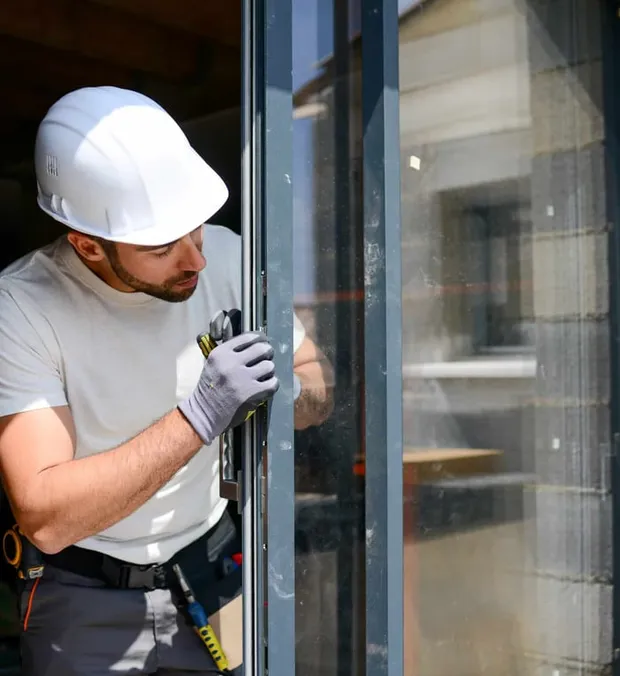
Walk the house, book a firm date, clear the list, prove every window works — then warranty it in writing.
Room by room, jot what each one does wrong — slams shut, painted stuck, won't latch, whistles in a north wind. Plain words are enough; each symptom maps to a catalog line.
Dispatch places you on a scheduled Houston-metro route and stocks the truck against your list — cords, balances and hardware pulled by spec before the visit.
Weight pockets re-roped, balances swapped, latches and locks matched, weatherstrip renewed — prewar and modern windows handled with their own correct methods.
Each serviced window opens, closes and locks in front of you before we leave, and the entire visit is covered by a written 5-year workmanship warranty.
Window repair in West U starts at $115 and is priced by the part that failed — printed catalog numbers, confirmed on paper before any work begins:
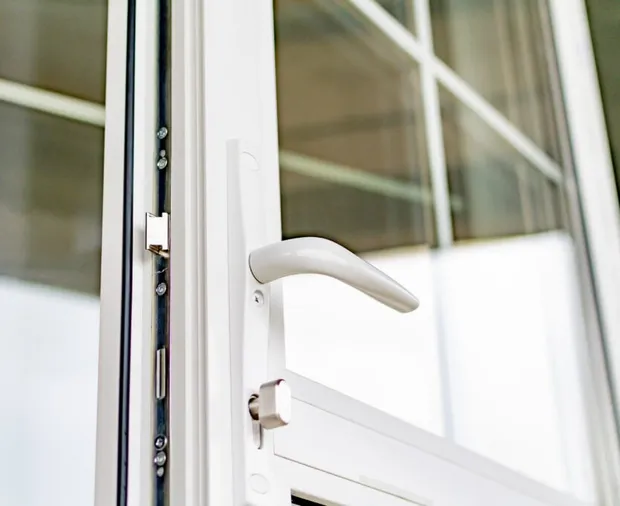
Every repair comes with a written workmanship warranty. If it's not right, we come back and make it right.
We fix the part that failed — glass, seal, sash or hardware — so you keep your windows and skip full-replacement cost.
Your repair is done by our own technicians, never subcontracted — visits run on scheduled routes with a firm appointment date.
A clear quote before any work starts. No hidden fees, no upsells, no pressure to replace what we can repair.
 Clear
Clear 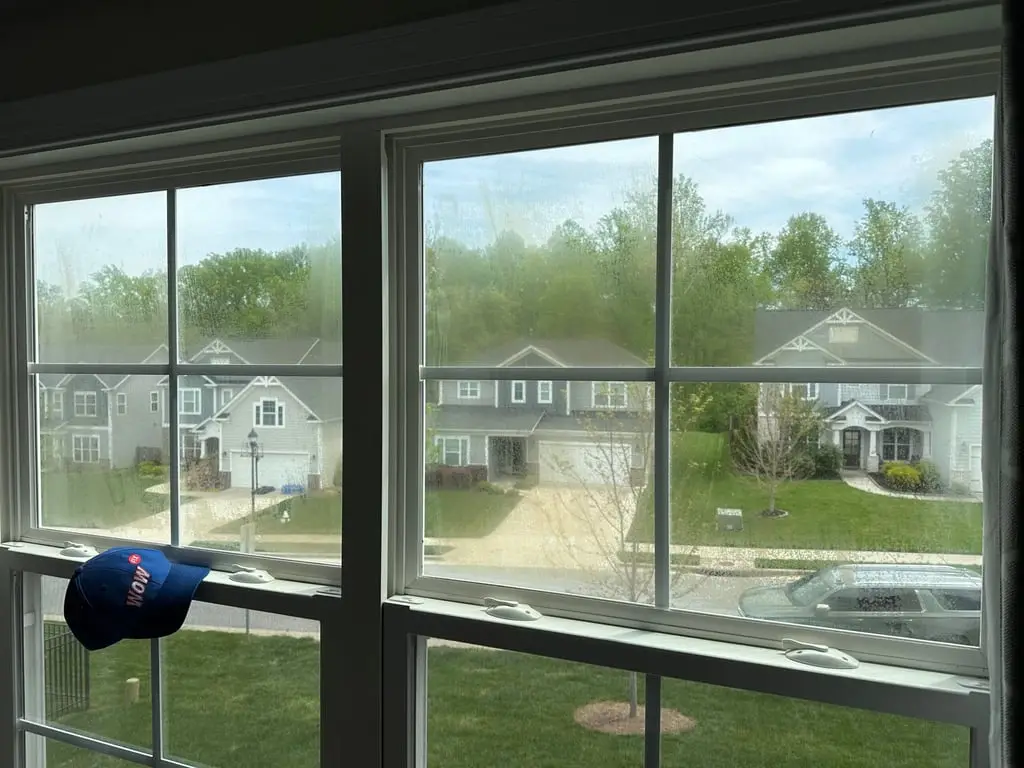 Foggy
Foggy 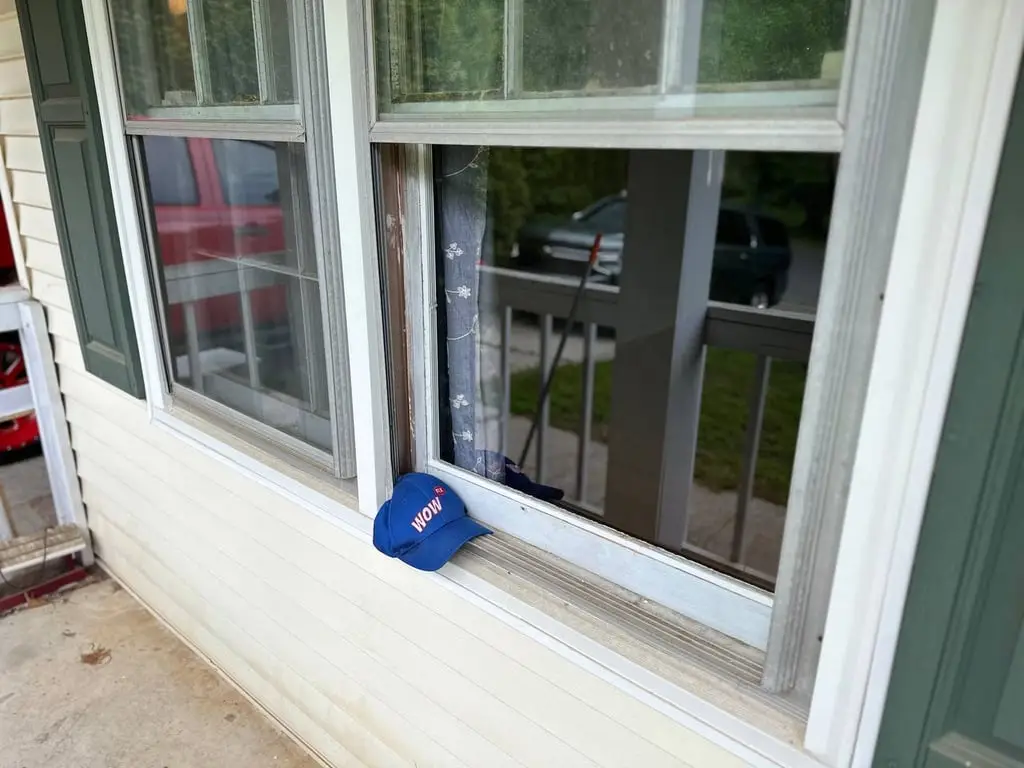 New Glass
 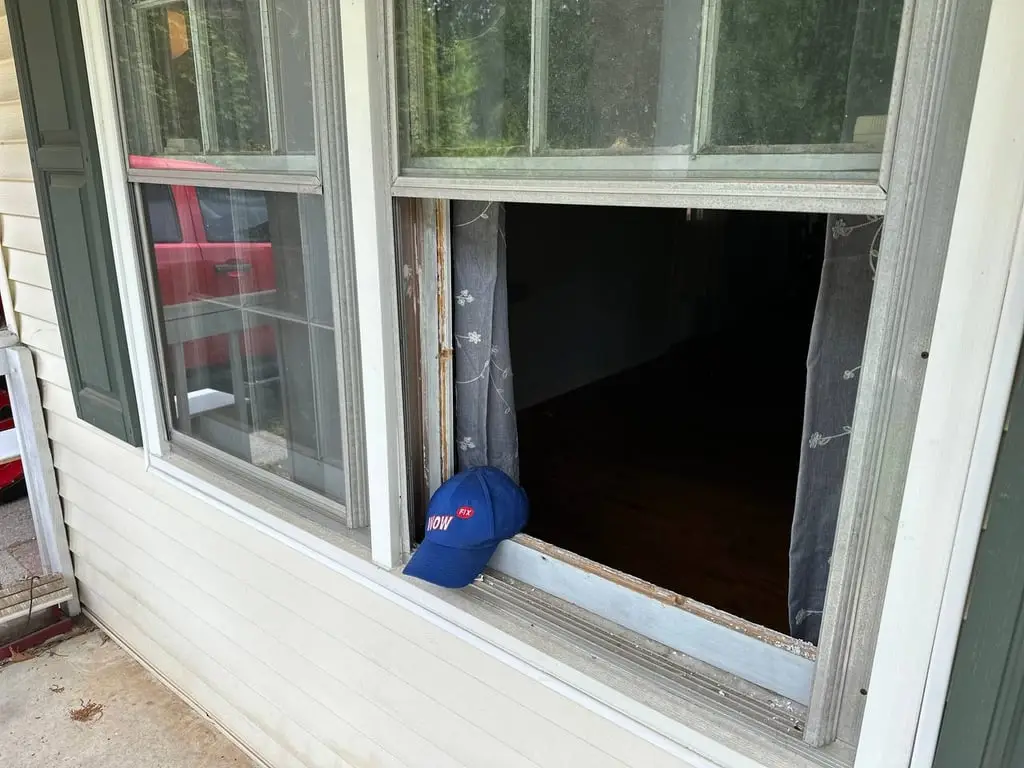 Broken Pane
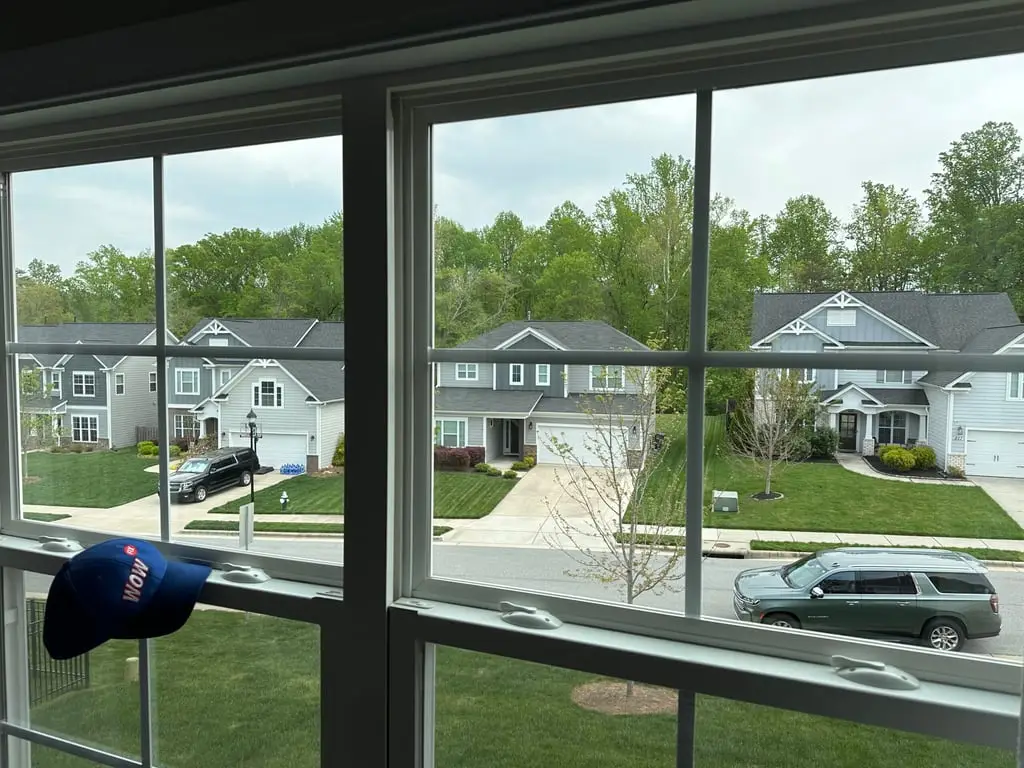
 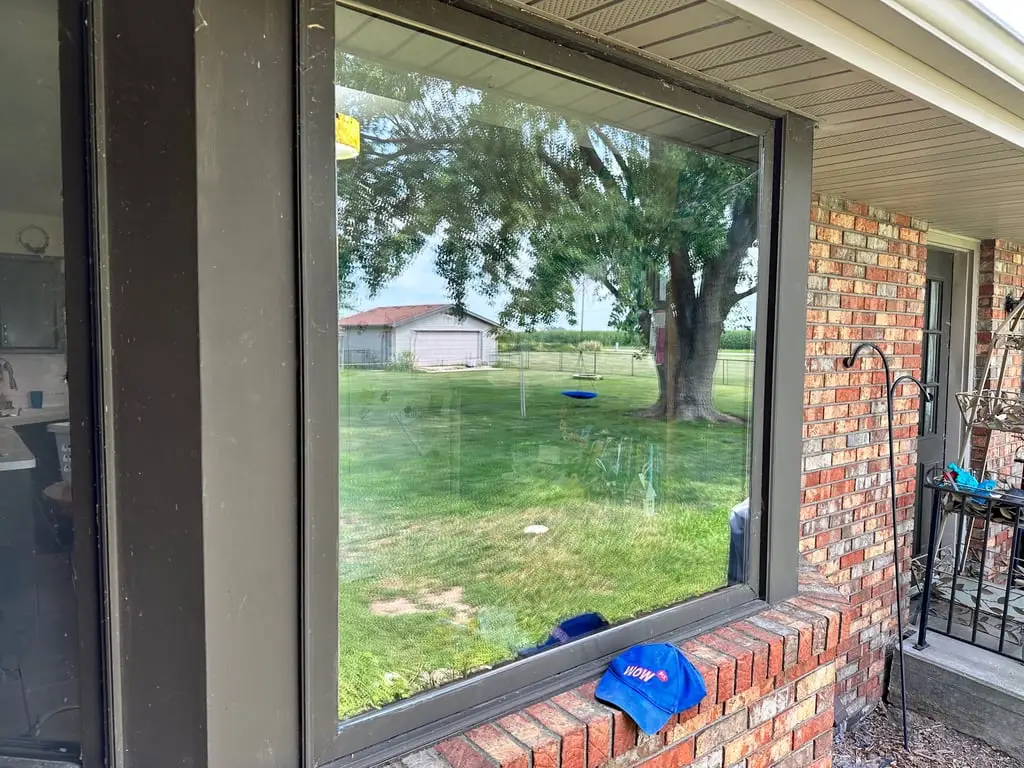 Clear View
 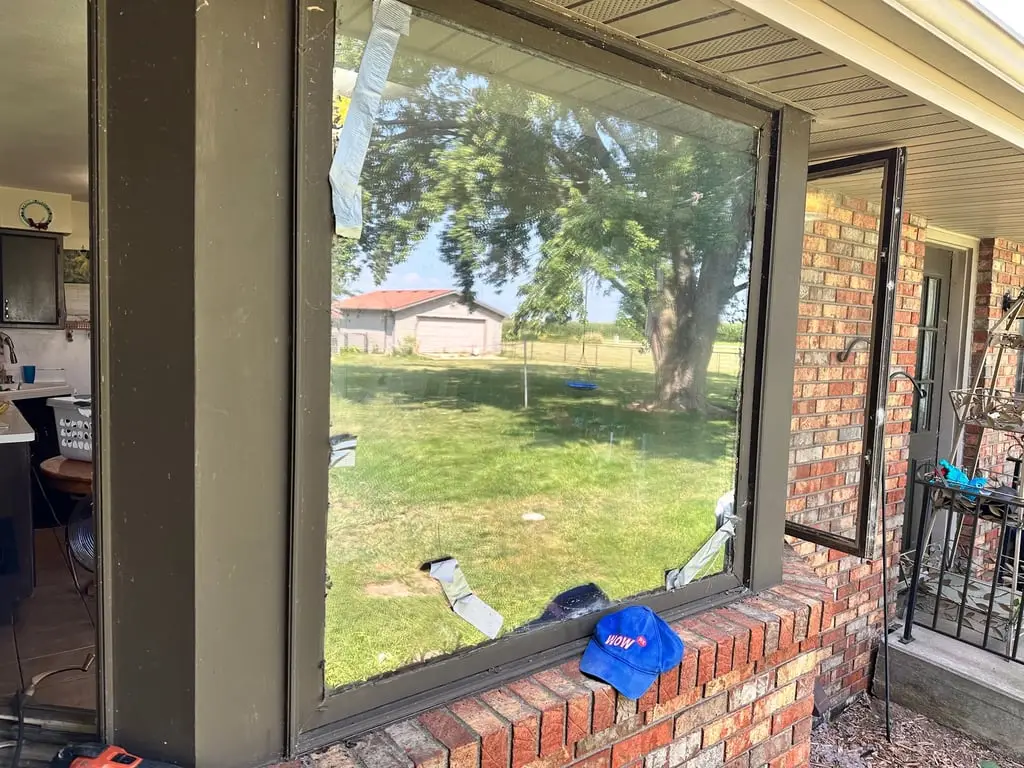 Glass Out
 Drag the handle to compare — swipe or tap a dot for more jobs.
We service both of West U's window generations — the counterweighted prewar sashes of Monticello and Virginia Court, the balance-and-latch hardware of the customs in Cambridge Place and Sunset Terrace — on scheduled routes with firm dates.
In West University Place
Also in West University Place
Book your service today


Verified Google Review
Eugene fabricated both screens and new half double-pane windows for my home. He was professional, dedicated, and experienced. He went above and beyond to ensure the job was done right and in a timely manner. I would highly recommend WowFix for work that meets all expectations!

Verified Google Review
This is a great company. We appreciate the hard work and honesty of Eugene, who made sure our windows were fixed to our satisfaction. He completed the work on time as promised.

Verified Google Review
I had a fantastic experience with WowFix. They repaired my existing windows by cutting out rotted sashes, fashioning new ones on-site, and splicing them in. They look and work absolutely good as new!

Verified Google Review
WowFix is a great company for repairs on doors and windows. I had two rotten double-door frames that they rebuilt. They communicate well and the pricing was fair.
No stock footage, no actors — this is one of our actual jobs. Watch a rotted, fogged-out window brought back to flawless, like-new condition.
Snap a clear photo of every foggy, cracked or stuck window in natural light. Morning light shows fog between the panes best and lets us quote faster — often before we arrive.
Jot down the symptom per window — fog between the glass, won't open or stay up, draft, cracked pane, or rotted frame. It tells us whether it's a glass-only swap (from $198) or hardware/wood work.
Move furniture, blinds and décor back roughly three feet so our crew can measure and work safely. It keeps the visit quick and your things out of the way.
If you have the original window brand, a sticker in the frame, or install paperwork, set it aside. It's not required, but it helps us match glass and parts on the first trip.
Unlock gates, secure pets, and clear the exterior path to the windows. Most glass-unit work is done from both sides, so outside access keeps everything one visit.
Decay cut out completely and rebuilt in real wood — no filler, no new window.
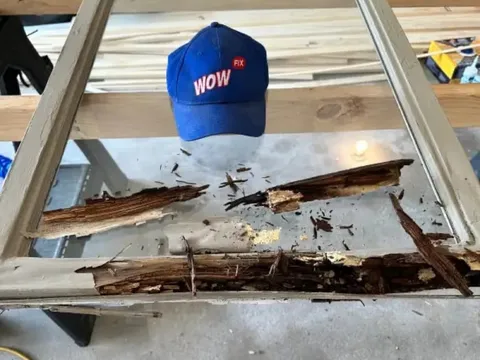
We fabricate an exact-profile piece from laminated lumber and splice it in.
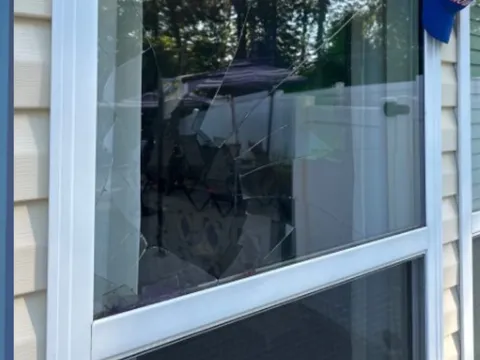
New glass built to the window's exact size — frame and trim untouched.
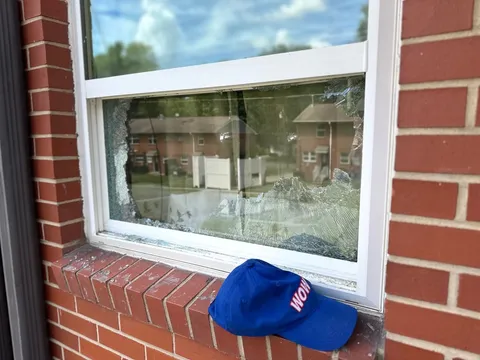
The pane is the part that failed — so the pane is the part we replace.
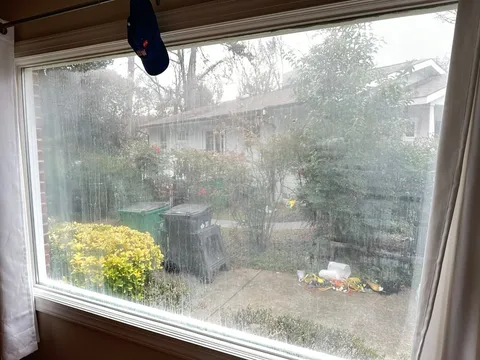
A failed seal, not a failed window: the sealed unit is swapped, the frame stays.
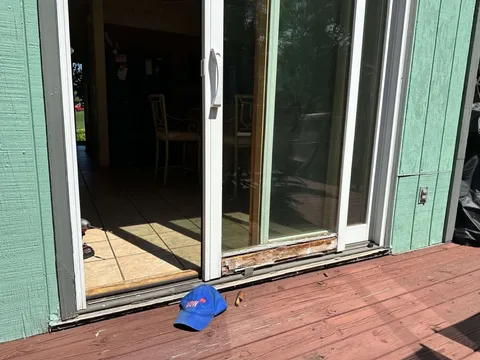
Rotted bottom rebuilt on-site — a fraction of the ~$10,000 a new door runs.
Real jobs, real photos — swipe for more.
Lead Window & Door Repair Specialist
This content is written by Eugene Ko, a master craftsman with 17+ years of hands-on experience in residential and commercial window repair. Eugene has personally completed over 15,000 window and door repairs across North Carolina, so every answer here is grounded in real field experience — not guesswork.
Last updated: July 19, 2026